
What's New
Click here to see more >>
-

PPG PRIMERON®
PPG's PRIMERON® primer product portfolio is designed to provide high corrosion resistance for substrates including steel, hot-dip-galvanized steel, metalized steel and aluminum substrates.
-

Limitless, PPG 2024 Color of the Year
PPG's Limitless, a warm honey beige hue, reflects evolving consumer preference for softer, lighter shades in everything from automobiles to architectural elements. Subdued, sophisticated and calming, Limitless is strong enough to stand as a leading, primary color, yet has the essence of a neutral to serve in a supporting role.
-
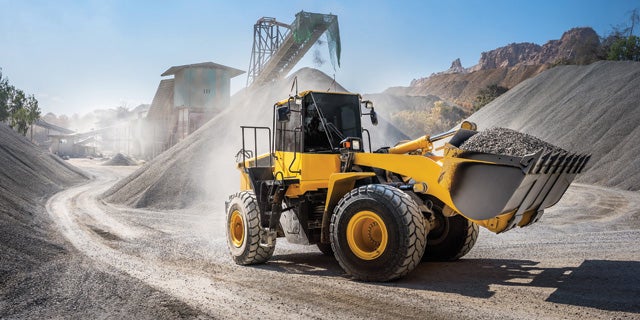
PPG Aquacron® WPUT topcoat
PPG's AQUACRON® WPUT (waterborne polyurethane topcoat) combines excellent performance, productivity and environmental benefits, making it the compelling coating choice for vehicles and machinery used in the most demanding conditions.
-

The Power Of A Partner
Choose PPG and you select one of the world's most trusted brand of industrial coatings. But far more important, you enlist a partner in success – creating efficiencies that save you time and money and providing products that satisfy your customers. That's the Power of a Partner.
-
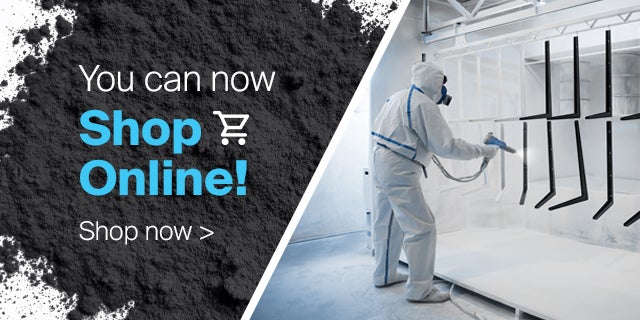
Shop PPG Powder Coatings
Visit our U.S.-based online powder shop and discover PPG powder products available for free standard shipping with some same day shipping available. Get your product when you need it, and stay informed through order confirmations, status and tracking information.
Markets
General Industrial
-
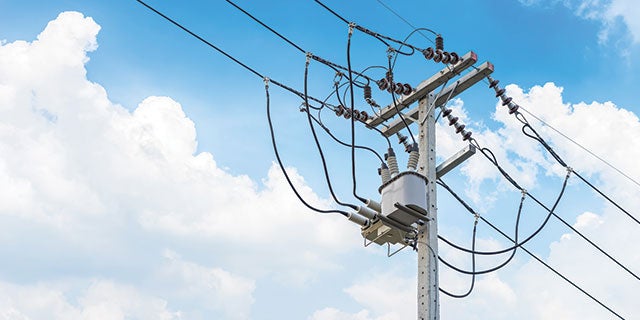
Electrical and Power Generation
With one of the most complete portfolios of powder, liquid, electrocoat and pretreatment technologies, PPG coatings provide electrical equipment manufacturers with the highest standards of weathering, corrosion and reliability.
-
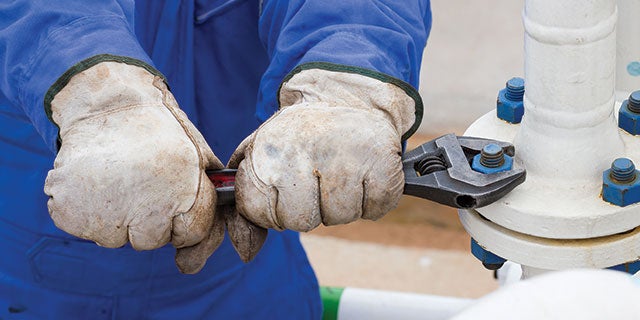
Fasteners
Designed to withstand extreme environments for use on land or at sea, PPG’s vast array of coating technologies are engineered to optimize fastener reliability, efficiency and longevity.
-

Shelving and Racking
Designed with state-of-the-art technology, PPG's coatings for shelving, racking and shopping carts are trusted by original equipment manufacturers to provide a physical barrier against corrosion, oxidation and abrasion.
-
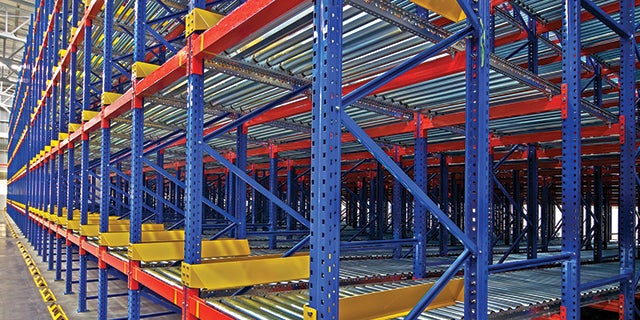
Material Handling and Shipping
PPG makes coatings that keep the supply chain moving, engineered to provide durable, hard-wearing and long-lasting protection in the toughest settings with formidable protection against extreme heat and humidity conditions.
-
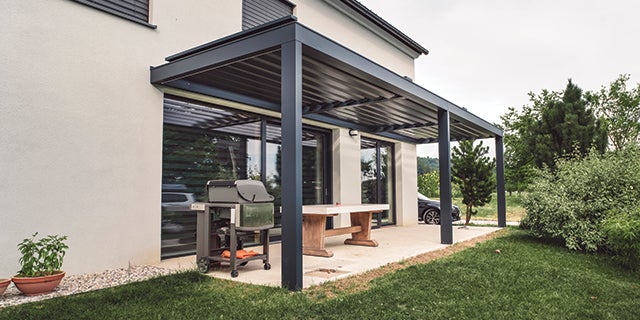
Home and Lifestyle
A global coatings leader, PPG makes general finishing solutions that meet a broad spectrum of performance requirements, including resistance to water and chemical corrosion, UV damage and abrasions from wear and tear.
Other Industrial
-
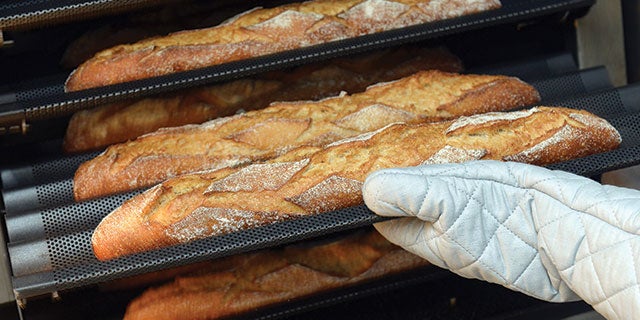
Industrial Bakeware & Molds
PPG coatings are designed to offer superb release, long life and a range of resistance properties without the need to add secondary release agents, to meet the extreme demands required by bakeries and food processing machinery.
-
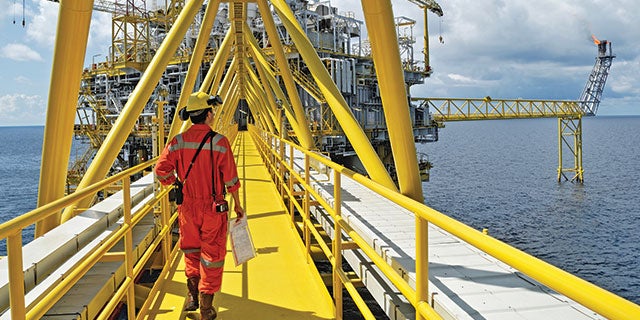
Energy Applications
Challenging marine environments and energy applications require specialized coating solutions. PPG coatings are built for extreme conditions, offering dry-film lubricants that provide low friction, heat resistance and corrosion resistance properties.
-

Office Furniture and Equipment
Meeting the industry's highest standards for aesthetics and protection performance, PPG is the world’s foremost provider of coatings for office furniture, storage and locker systems.
-
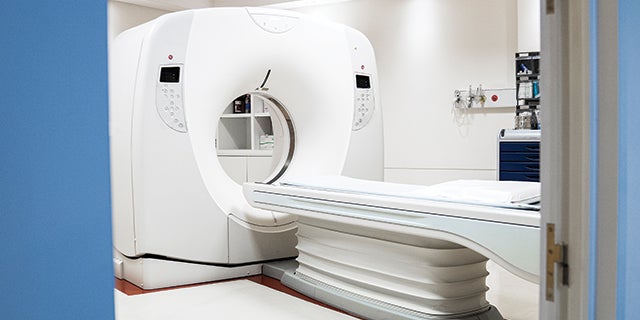
Medical Equipment
A trusted coatings supplier to the medical industry, PPG engineered solutions for healthcare settings and medical applications that protect people, products and places.
-

Construction Infrastructure
PPG makes coatings that protect and extend the life of construction infrastructure and equipment. Our proven coating technologies have made PPG a leading global partner for OEMs who demand high-performance coating systems to protect their products and their brands.
Building and Construction
-
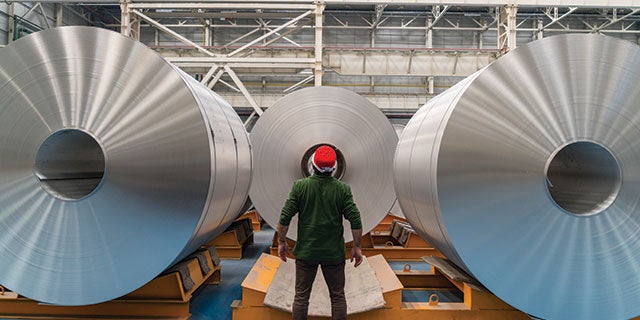
Coil Coatings
PPG coil coatings strike a perfect balance of beauty and protection. From metal roofing and wall panels to HVAC equipment, from transportation to general industrial products, our coatings are engineered to withstand the most rigorous residential, commercial and industrial settings, as well as certain severe environmental conditions.
-

Extrusion Coatings
Trusted by architects and building component manufacturers, PPG's aluminum extrusion coatings deliver exceptional corrosion protection, lasting durability and enduring beauty with a full portfolio of customized finishes, colors, gloss levels and special effects.
-

Interior Building Products
With a wood coatings heritage that spans more than a century, PPG is a global leader in high-performance coatings for every type of wood finish process, including toners, primers, stains, fillers, sealers, glazes and topcoats.
-
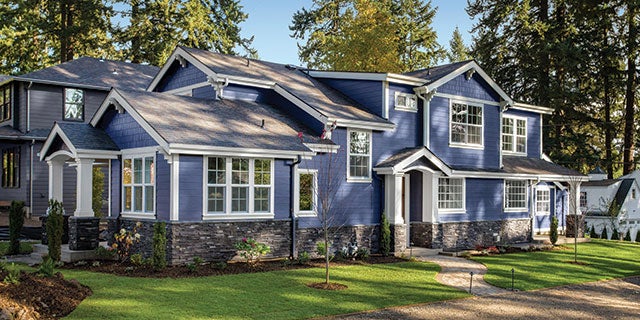
Building Materials - Exterior
With over 90 years of leading innovation in factory applied coatings, PPG's exterior building products create significant quality improvements over field applied finishes through consistent film builds, color integrity and overall coatings uniformity.
Consumer Products
-

Consumer Electronics
Trusted by the world's top consumer electronics designers and manufacturers, PPG's high-performance coatings for consumer products protect and enhance some of the most popular devices available today.
-

Kitchenware
Whitford, a wholly owned subsidiary of PPG, makes the largest, most complete line of low-friction coatings, non-stick coatings and decorative housewares coatings in the world today.
-

Appliance
For more than 50 years, PPG has provided major commercial and household appliance manufacturers with protective coatings that add durability, color and style to their residential and commercial equipment.
Vehicle and Equipment
-

Transportation
PPG engineers paints and coatings that extend the life of vehicles through exceptional corrosion protection, enduring color and long-lasting gloss. PPG DURAFORM® TR is formulated with a proprietary polymer that provides good hardness and flexibility.
-

Automotive Parts and Accessories
A global innovation leader in the automotive parts and accessories industry, PPG provides coatings, sealants and adhesives for a broad array of substrates and external, internal and underbody parts to every major domestic and foreign automaker in the world.
-

Heavy Duty Equipment
With an in-depth knowledge of the industry, market-proven protective coatings and extensive color capabilities, PPG is trusted by leading regional and global heavy-duty equipment OEMs to protect their products and their brands.
-

Wheel
PPG has solutions for every layer of steel and aluminum wheels, center caps, inserts and trim for light vehicles, big trucks, motorcycles and sports vehicles.
Technologies
-
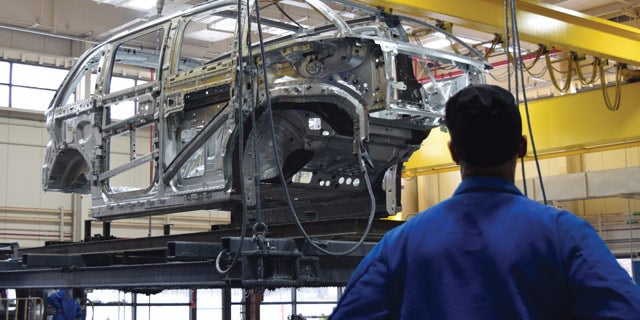
Pretreatment
Exceptional corrosion protection and paint adhesion. PPG is a leading provider of pretreatment products and integrated solutions that enhance, strengthen and protect metal substrates.
-
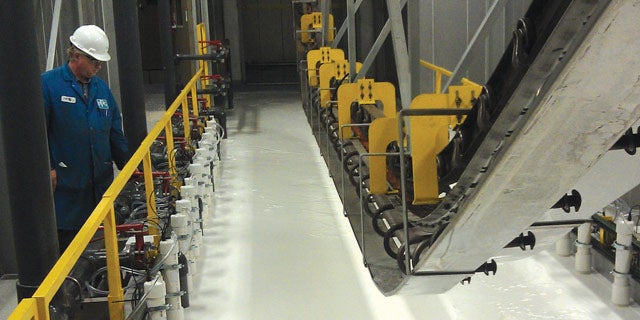
Electrocoat
98% color consistency and uniform film build. As the company that pioneered electrocoat in 1963, PPG continues to set the global standard for e-coat performance, innovation and technical service.
-
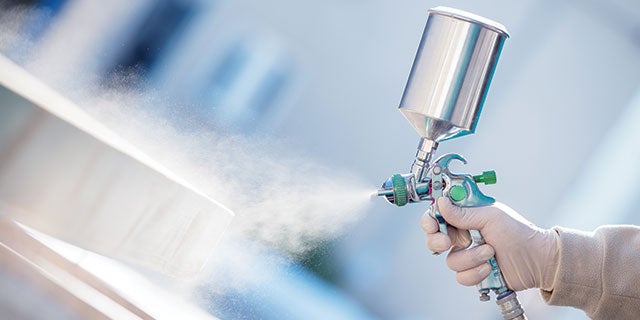
Liquid Coatings
Global expertise and renowned technical support. PPG's liquid coatings solutions bring durability, beauty and functionality to a broad range of products spanning consumer electronics to architectural building components.
-
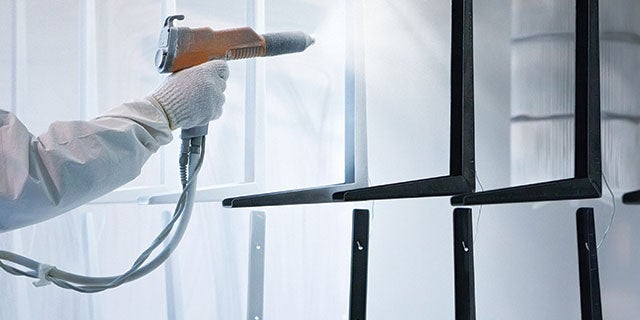
Powder Coatings
A wide range of over 200 shades, glosses and effects. We're pioneering powder coatings that combine beautiful finishes with exceptional protection performance, like Coraflon Platinum, which can achieve the timeless, popular anodized metal color.
-

Additives and Adhesives
PPG is pleased to offer our customers a complete line of advanced adhesives and fluoropolymer and fluorinated additives through our additives (formerly Laurel) and adhesives (formerly PSI) divisions.